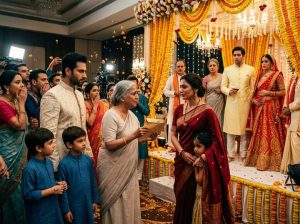
The mandap died.

“Lock the watchman inside. If everyone gets out, the insurance people will call it an...
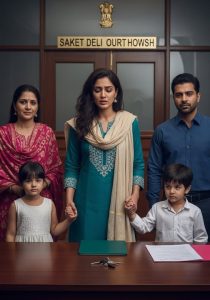
Arjun’s shouting cracked through the phone before I ended the call.

Arjun’s shouting cracked through the phone before I ended the call. “That is not possible!”...

The phone slipped from my fingers and landed on Reema’s desk with a dull sound.

The phone slipped from my fingers and landed on Reema’s desk with a dull sound....

When I opened my eyes, I was not in a hospital.

When I opened my eyes, I was not in a hospital. I was in my...
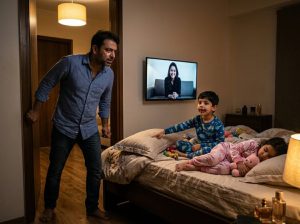
Good. Rohit is on the Bengaluru flight now. Tonight we finish the papers before he finds out…”

“Good. Rohit is on the Bengaluru flight now. Tonight we finish the papers before he...
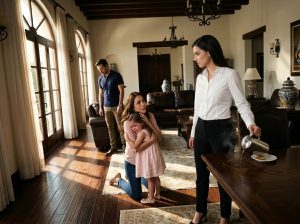
“Bua did it because I saw…”

“Bua did it because I saw…” The room went silent. Even Vaani’s pain seemed to...

The document was a rental agreement.

The document was a rental agreement. Not for an office. Not for a client guesthouse....

“Dig behind the practice nets…”

“Dig behind the practice nets…” I read the words once. Then again. The paper shook...
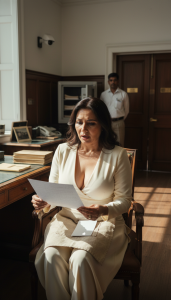
When my grandmother died, my uncles said there was no money even for flowers. We cremated her with borrowed marigolds, watery chai, and biscuits bought on credit. That same night, while folding her torn blue apron, I found a bank receipt stitched inside the hem for ₹9 crore. Under it was a note in her shaking handwriting: “Do not let my sons know you are the heir.” Before sunrise, those same sons were outside my door with a spare key. 😨💰 My name is Divya Sharma. I am forty-two years old. All my life, I was “the extra mouth.” My mother died when I was six, and my nani, Saroj, raised me in a peeling old house in Karol Bagh, Delhi. The walls smelled of dampness. The kitchen was so small that two people could not stand inside without touching shoulders. In the courtyard, Nani grew tulsi and mint in old ghee tins. My uncles always said she was poor. “Maa has nothing,” my eldest uncle, Mahesh Mama, would repeat. “Only pension and pain.” But strange thing. Every pension day, he came. Every time Nani needed medicine, my aunt Sunita made faces. “Arre Maa, why spend so much? At this age, what is the use?” I used to bite my tongue until it bled. Because they visited once a month. I changed her bedsheets. I took her to the government hospital. I cooked her dalia. I rubbed mustard oil on her knees. I slept beside her when her breathing became heavy at night. In her last week, Nani became restless. She would not let anyone touch her blue apron. It was old. Faded. Torn near the pocket. “Nani, let me wash it,” I said once. She gripped my wrist so hard her nails dug into my skin. “This apron does not need washing, Divya,” she whispered. “It is hiding what my sons do not deserve.” I thought age had eaten her mind. Now I know she was the only sane one in that house. The morning she died, my uncles arrived too fast. Too clean. Too prepared. Mahesh Mama did not ask how she died. Sunita Mami went straight to the steel almirah. My younger uncle, Prakash, opened the trunk under the bed. I was sitting on the floor near Nani’s feet, crying into her old shawl. “What are you doing?” I asked. Mahesh did not even look at me. “Looking for papers.” “Papers? Nani just died.” “Don’t become filmy,” he snapped. “We have to see the house documents.” “The house was hers.” “And now it belongs to her sons.” My cousin Rohan leaned against the door and laughed. “Don’t get excited, Divya didi. You are not blood for property. You were charity.” My face burned. But I stayed quiet. Nani used to say, “When vultures come down, do not shout. Watch where they land.” So I watched. Mahesh opened every drawer. Sunita checked inside old pillow covers. Prakash tapped the kitchen tiles like gold was buried under the stove. They were searching for something. And it was not grief. The cremation happened before sunset. No big flowers. No proper tent. No priest they could not bargain with. At Nigambodh Ghat, Mahesh complained even about the cost of wood. Afterward, back home, the mourners got watery chai and glucose biscuits bought on credit from Sharma General Store. Sunita whispered loudly, “At least now the burden is gone.” I heard it. I heard everything. That evening, my uncles said they were “too exhausted” to stay. But before leaving, Mahesh pointed a finger at me. “Do not remove anything from this house.” “I lived here with Nani.” Sunita smiled like she had swallowed poison and called it sugar. “Your free stay is finished, beta. Tomorrow we are going to the lawyer.” I closed the door without answering. Then I sat in Nani’s room. Her smell was still there. Vicks. Coconut oil. Old cotton. I folded her sarees one by one. White. Brown. Green with a torn border. Then I found the blue apron. It was heavier than cloth should be. I put my hand inside the pocket. Empty. But when my fingers touched the bottom seam, I felt something stiff. My heart started beating in my ears. I took Nani’s small sewing scissors and cut the stitch slowly. A folded receipt slipped out. HDFC Bank. Connaught Place branch. Locker No. 23. Account balance: ₹9,08,40,000. Nine crore eight lakh forty thousand rupees. I sat down on the floor. My hands went numb. Inside the same seam was another paper. Nani’s handwriting. Crooked. Weak. But clear. “Divya, if you are reading this, forgive me. I was never poor. I acted poor to survive my own children.” I cried then. Not because of the money. Because I imagined my nani pretending to need help so her own sons would not strip her alive. The next morning, I went to the bank wearing her old shawl. I carried my Aadhaar card, her death certificate, the receipt, and the letter I found sewn behind the apron pocket. The bank manager looked at the papers. Then she looked at me differently. Not like a poor woman. Like someone expected. “Mrs. Divya Sharma,” she said softly, “your grandmother left very specific instructions.” I was taken into a private room. Two officers came in. A camera was switched on. Locker 23 was opened. Inside were property papers, fixed deposit receipts, old photographs, a passbook, and a sealed will. My hands shook when the lawyer read it. Nani had left me the Karol Bagh house. Two shops in Lajpat Nagar. One small warehouse in Azadpur. And the entire bank account. Everything. Nothing for her sons. Not one rupee. Then the lawyer opened one more envelope. His face changed. The bank manager stood up and locked the room from inside. “Divya ji,” she said, “your grandmother asked us to give you this only after reading the will.” Inside was a photograph. Old. Yellow. Folded in half. In it, my mother was standing beside Nani, smiling in a red wedding saree. Behind them stood Mahesh Mama. And in his hand was the same gold chain my mother was wearing on the day she died. My breath stopped. The lawyer slid a second note toward me. It said: “Before they come for the money, ask Mahesh what really happened to your mother.” At that exact moment, someone started banging on the bank’s private room door. Mahesh Mama’s voice came from outside. “Divya! Open the door. We know what that old woman hid from us.” And then the bank manager whispered the one thing that made my blood turn cold…

“…do not open that door until security reaches us.” The bank manager’s face had gone...

“Meera… forgive me. That report was never yours…”

“Meera… forgive me. That report was never yours…” The words did not sound loud, yet...